Roofing Contractor in Venice, CA Built for Salt Air, Sun & Winter Storms
Venice roofs have it rough. Salt-heavy ocean breezes eat away at flashing and fasteners, year-round UV bakes flat roofs until they blister, and May Gray soaks attics with moisture. Then for eight months it barely rains, so a failing seam or a cracked tile can sit there unnoticed until the first atmospheric-river storm sends water through your ceiling. Venice Roofing Systems has been fixing exactly these problems since 2005. We repair, replace and install residential and commercial roofs built to hold up to coastal conditions, so you can stop worrying about every storm on the forecast.
We know how Venice gets built, and how it gets roofed: craftsman bungalows with three layers of shingles over board sheathing, 1960s dingbats with tired tar-and-gravel, and modern Abbot Kinney builds with roof decks, parapets and skylights. We plan around walk-street access, Coastal Zone review and LADBS inspections. Our crews also work in Santa Monica, Culver City, Marina del Rey and the South Bay, anywhere within 20 miles of Venice.
- ✓Serving Venice and the Westside since February 2005
- ✓Bonded and insured
- ✓Financing available
- ✓Residential and commercial roofing
- ✓Emergency roofing and roof tarping services
- ✓Flat, tile, shingle, metal, slate, cedar, TPO and EPDM systems
- ✓20-mile service radius from Venice
Request Your Free Estimate
No obligation. Fast, honest quotes.
Thank you — your request was sent!
A member of the Venice Roofing Systems team will reach out shortly. Need help now? Call +1 (424) 221 81-28.
Why Venice Roofs Need a Coastal Roofing Specialist
A roof that would last 25 years in the Valley can wear out years sooner a few blocks from the sand. Venice combines marine corrosion, intense UV, wet soils and some of LA's most complicated permitting. All of that changes how a roof should be designed, installed and maintained.
Coastal Climate: Dry Months, Wet Storms and Constant Salt
Venice gets only about 12–13 inches of rain a year, and nearly all of it falls between November and March, often in a handful of intense atmospheric-river storms. That pattern hides problems. Underlayment, flashing and drains can fail during the dry season without anyone noticing, and then a single storm dumps an inch or more of rain in a day. Meanwhile, salt-laden onshore breezes, the persistent May Gray and June Gloom marine layer and nightly dew corrode steel fasteners, drip edge and HVAC curbs much faster than they would inland. North-facing slopes and wood shakes grow moss and algae. Summer highs near the beach stay in the 70s°F, but the UV is strong all year, and swings from foggy mornings to sunny afternoons keep flexing low-slope seams. Inland, Burbank and Glendale regularly hit 95–100°F and get Santa Ana winds, which adds wind uplift to the list.
A Century of Mixed Housing Stock
Abbot Kinney founded 'Venice of America' in 1905, and you can still read that history from the rooftops. Early-1900s craftsman bungalows and beach cottages often have original board sheathing under two or three layers of roofing. 1920s Spanish Colonial Revival homes carry clay barrel tile over felt underlayment that usually gives out after 20–30 years, even though the tile can last far longer. Post-war stucco boxes and 1950s–60s dingbat apartments rely on flat built-up tar-and-gravel roofs that pond and blister. Since the 1990s, teardowns in Oakwood, Rose and Abbot Kinney have added flat and low-slope roofs with decks, skylights, parapets and solar, and every penetration is a potential leak. The low-lying former marshland and high water table also lead to minor settlement that stresses parapets and roof-to-wall joints. Earthquakes are a real factor too. The 1994 Northridge quake cracked chimneys and roof framing across LA.
Permits, Coastal Zone Rules and Title 24
Venice is inside the City of Los Angeles, so reroofing requires an LADBS permit and inspection, and a full tear-off with new sheathing is inspected. California caps reroofing at two layers, and in practice LADBS often requires a tear-off. Title 24 Part 6 requires cool-roof products with minimum solar reflectance and thermal emittance on many low-slope reroofs, which narrows your color and material choices. Venice is also in the California Coastal Zone under the Venice Coastal Zone Specific Plan, so roof decks, access structures, parapets, added height or solar can trigger Coastal Commission review or a Coastal Development Permit. Elsewhere in our area, Santa Monica, Culver City, Beverly Hills, Glendale, Burbank and the South Bay cities each run their own building departments, and unincorporated Marina del Rey falls under LA County Public Works. HPOZ and historic-district homes may have to match original materials such as clay tile.
A Market That Expects Premium Work
Venice homes regularly sell for seven figures. Many owners work in tech, entertainment or design and want cool roofs, solar integration and finishes that suit modern architecture. Investors who own small multifamily buildings need dependable, cost-effective systems that protect their rental income. Across our service area, priorities shift. Beverly Hills and Manhattan Beach owners expect high-end finishes, families in Culver City and Torrance are often on their second or third roof, and Hawthorne and Inglewood landlords weigh every dollar. Insurance renewals and resale inspections often decide when a roof gets replaced, so clear documentation matters as much as the workmanship.
Common Roofing Problems We See in Venice and the Westside
Most roof failures here follow the same patterns. Salt, sun, long dry seasons and an older housing stock create predictable weak spots. Here's what we find most often, why it happens around Venice, and the signs to watch for before the next storm.
Ponding Water and Blistered Flat Roofs Serious
Ponding means water still standing on a low-slope roof 48 hours after rain. Blisters are raised pockets where moisture or air got trapped between membrane layers. Together they speed up membrane breakdown, strain seams, and eventually push water through the deck.
Why it's common hereFlat roofs are everywhere in Venice, from tar-and-gravel dingbat apartments to modern boxes with parapets. Older built-up roofs sag as the decking ages, and minor settlement on the area's soft, sandy soils throws off drainage slopes. Strong UV dries out torch-down and rolled roofing. The swing from cool, damp mornings to hot afternoons expands and contracts trapped moisture, so blisters grow. Scuppers clogged with leaves, sand and debris turn a small puddle into a pond.
Signs you'll notice- Puddles remaining two or more days after rain
- Soft, spongy spots when walking the roof
- Raised bubbles or blisters in the membrane
- Alligatored or cracked surface
- Granule or gravel loss in low areas
- Algae or dirt rings marking old water lines
This is typical on 1950s–60s stucco apartments in Venice, Palms, Del Rey and Mar Vista, and on live/work lofts along Lincoln Blvd. Investor-owned multifamily buildings often show years of patch-over-patch repairs that trap moisture underneath.
Our fix: Core sampling to check for wet insulation, then tapered insulation or crickets to fix drainage, followed by a new TPO, modified bitumen or coated cool-roof system.
Salt-Air Corrosion of Flashing and Fasteners Moderate
This is the gradual rusting and breakdown of metal roof parts, including drip edge, valley metal, chimney flashing, vent collars, HVAC curbs and exposed fasteners, caused by salt deposited from ocean air. Once the metal corrodes, sealant bonds fail and water gets in.
Why it's common hereOnshore breezes carry salt spray well inland from Venice Beach, and the marine layer and nightly dew keep that salt damp for hours every day. Standard galvanized nails and thin flashing can corrode in a fraction of their normal life here. Many older homes were roofed with materials meant for inland conditions, and some flipped properties used builder-grade metals that already show rust streaks within a few years.
Signs you'll notice- Orange rust streaks below vents or drip edge
- Flaking or pitted flashing around chimneys
- Popped or rusted nail heads
- Corroded HVAC curbs and equipment stands
- Loose gutter hangers
- Green or white crust on metal components
This is worst within about a mile of the ocean, including the Venice Canals, Marina del Rey, Playa del Rey, Ocean Park and the beachfront South Bay. Rooftop HVAC and solar racking on newer homes corrode noticeably faster on the ocean-facing side.
Our fix: Replace corroded metals with stainless steel, aluminum or coated components, use corrosion-resistant fasteners, and schedule regular flashing inspections for coastal properties.
Cracked Tiles over Failed Underlayment Serious
Clay and concrete tile roofs shed most water, but the felt underlayment beneath them is the real waterproofing. When that underlayment dries out and tears after 20–30 years, water that slips past cracked or slipped tiles goes straight into the decking.
Why it's common hereSpanish Colonial Revival homes from the 1920s onward, plus Mediterranean-style homes across Beverly Hills, Glendale and the South Bay, often still have original or decades-old felt. LA's strong UV bakes the felt through the gaps between tiles. Earthquakes and foot traffic from solar or satellite installers crack tiles. Heavy tile also needs secure attachment, and older roofs sometimes rely on fasteners that have corroded or loosened over time.
Signs you'll notice- Cracked, slipped or missing tiles
- Visible black felt between tiles
- Leaks that appear far from obvious damage
- Mortar falling out at ridges and hips
- Sagging rooflines
- Tiles shifted after an earthquake or rooftop work
This is common on barrel-tile homes in Venice and Mar Vista, Beverly Hills estates, Glendale's historic districts and Spanish-style homes near Silver Lake. HPOZ properties often have to keep the original clay tile, so lifting and re-laying the tile is the preferred approach.
Our fix: Remove and catalog the existing tile, install new high-temperature underlayment and flashing, replace broken pieces with matching tile, and re-lay with proper seismic-conscious attachment.
Layered Roofs and Deteriorated Board Sheathing Moderate
Many older homes have two or three roofs stacked on top of each other over spaced or solid board sheathing. The extra weight, trapped moisture and fasteners that can't grip properly lead to sagging, early shingle failure and hidden rot.
Why it's common hereVenice's bungalows and beach cottages date back to the early 1900s, and decades of overlays were the cheap fix. California caps reroofing at two layers, and LADBS often requires a full tear-off, so these homes can't simply take another layer. Marine moisture rots old board sheathing from below, especially over poorly ventilated attics.
Signs you'll notice- Thick, uneven roof edges showing multiple layers
- Wavy or sagging roof planes
- Shingles that won't lie flat
- Daylight through gaps in sheathing
- Soft spots when walking the roof
- Nails backing out across the field
This shows up constantly on Walk Streets cottages, Oakwood bungalows, Westchester and Culver City ranch homes, and older Santa Monica homes in Ocean Park. Pre-sale inspections in these neighborhoods often flag layered roofs.
Our fix: Full tear-off to the rafters, replacement of rotted boards, new plywood sheathing where required, then a permitted, inspected reroof with Title 24-compliant materials.
Poor Attic Ventilation, Mold and Dry Rot Moderate
When an attic lacks balanced intake and exhaust airflow, heat and moisture build up inside. Near the coast, that trapped humidity condenses on sheathing and rafters, feeding mold, dry rot and early shingle failure.
Why it's common hereMay Gray and June Gloom push damp marine air into attics day after day. Older bungalows often have just a few small gable vents, and remodels sometimes cover soffit vents or add insulation that blocks airflow. Inland, Burbank and Glendale attics can top 140°F in summer, which cooks shingles from underneath. In fire zones, Chapter 7A also requires ember-resistant vents.
Signs you'll notice- Musty attic odor
- Black spotting on sheathing or rafters
- Frost-like condensation or damp insulation
- Curling or prematurely aged shingles
- High upstairs temperatures and cooling bills
- Rusted nail tips poking through the deck
Coastal bungalows in Venice, Del Rey and Playa del Rey tend to have moisture problems, while Burbank and Glendale homes struggle with heat. Hillside homes near the Verdugos and Beverly Hills canyons also need ember-resistant vent upgrades.
Our fix: Assess airflow, then install or repair balanced ridge, soffit or loft ventilation using ember-resistant vents where required, and treat or replace damaged sheathing.
Leaking Skylights and Roof-Deck Penetrations Minor
These are leaks around skylight frames, roof hatches, deck posts, railings, HVAC lines and solar mounts. Each one cuts through the waterproofing layer, and each depends on flashing and sealant that eventually wears out.
Why it's common hereModern Venice homes are designed around light and outdoor space, with multiple skylights, rooftop decks and solar. Sealants exposed to strong UV and salt break down within a few years, and deck traffic wears the membrane. Coastal Zone rules shape these designs, but they don't guarantee good detailing, and we regularly find penetrations sealed with caulk alone.
Signs you'll notice- Drips or stains around skylight frames
- Condensation versus leak confusion in skylight wells
- Cracked sealant around posts or conduit
- Soft decking near railing anchors
- Fogged or cracked skylight glazing
- Water stains after windy rain only
We see these often in contemporary builds around Abbot Kinney, Rose Avenue, Oakwood and Playa Vista, plus Santa Monica and Manhattan Beach remodels with roof decks and multiple skylights.
Our fix: Reflash skylights with manufacturer-matched kits, add curbs and boots at penetrations, repair or replace the skylight unit if needed, and reseal deck attachments properly.
Roofing Services for Venice Homes and Businesses
We handle every major roof system found on the Westside, from torch-down on a Lincoln Blvd loft to barrel tile on a 1920s Spanish home. Every recommendation starts with what's actually on your roof, what local code requires, and how your building is used.
Flat Roofing Services (TPO, EPDM, Rubber & Modified Bitumen) ⭐ Specialty
We repair, recover and replace low-slope roofs on homes, apartments and commercial buildings. That includes TPO, EPDM rubber, modified bitumen and built-up systems, plus parapet caps, scuppers, crickets and penetration details.
Our approachCore cuts check for wet insulation, and tapered insulation corrects ponding. We heat-weld TPO seams, fully adhere EPDM where appropriate, and choose Title 24 cool-roof rated membranes. Drains, scuppers and deck penetrations get their own flashing details.
In Venice, CAVenice's dingbat apartments, modern parapet homes and Abbot Kinney commercial buildings depend on flat roofs that face constant UV and ponding risk. We plan the work around roof decks, rooftop solar and Coastal Zone constraints, and we stage materials for tight alleys and walk streets.
Best for: Owners of 1950s–70s apartments, modern flat-roof homes, live/work lofts and commercial properties dealing with ponding, blisters, or tar-and-gravel roofs at the end of their life.
Tile, Slate & Clay Roofing ⭐ Specialty
We install new clay, concrete and slate roofs, and we lift and re-lay existing tile over new underlayment. Cracked pieces are replaced with matching profiles, and ridges and hips get fresh mortar or mechanical attachment.
Our approachWe number and stack tiles during removal, install high-temperature synthetic or double-layer underlayment, and replace valley and wall flashing with corrosion-resistant metals. Tile is then re-set using attachment methods appropriate for seismic loads.
In Venice, CASpanish Colonial homes in Venice and Mar Vista, Beverly Hills estates and Glendale historic districts often must keep their original tile under HPOZ or landmark rules. Re-laying preserves that character and fixes the failed underlayment that's actually causing the leaks.
Best for: Owners of tile or slate homes 20+ years old, historic properties that need matching materials, and homeowners worried about seismic attachment.
Roof Replacement & Roof Installation
We do complete tear-offs and new roof systems for residential and commercial buildings, including sheathing repair, underlayment, flashing, ventilation and the finished roof covering. Permits and inspections are handled as part of the job.
Our approachWe strip the roof to the deck, replace rotted boards, and install new plywood where needed. New roofs use cool-roof compliant products, coastal-grade fasteners and metals, and we coordinate solar removal and reinstallation.
In Venice, CAMulti-layer bungalows in Venice, Culver City and Westchester usually need a full tear-off under LADBS practice. In fire-zone hillside areas, we install Class A assemblies to satisfy Chapter 7A requirements and insurance carriers.
Best for: Roofs past their service life, layered roofs, homes flagged in insurance or sale inspections, and owners planning solar.
Roof Repair, Patching & Storm/Wind Damage Repair
We fix leaks, damaged shingles, cracked tiles, open seams and lifted flashing. That includes damage from winter storms and Santa Ana winds, plus patching worn spots so your roof lasts longer.
Our approachWe trace water paths from the attic to the roof, replace damaged materials with matched products, and reseal with UV-stable compounds. We also document storm damage with photos for insurance.
In Venice, CAAtmospheric-river storms on the coast and Santa Ana gusts in Burbank and Glendale cause most of our repair calls. We focus on the hidden flashing failures that dry summers hide.
Best for: Active leaks, wind-lifted shingles, slipped tiles, and roofs that are otherwise in good shape.
Emergency Roofing Services & Emergency Roof Tarping
When a storm opens your roof, we stabilize it with securely fastened tarps or temporary membrane patches to keep water out of ceilings, walls and electrical systems until permanent repairs are done.
Our approachTarps are anchored to resist wind uplift, extended over the ridge, and secured without creating new punctures where possible. We photograph conditions for your insurer.
In Venice, CAWinter storms create sudden backlogs across LA. On walk streets and in the Canals, we carry tarping materials in by hand when trucks can't reach the property.
Best for: Active storm leaks, fallen-branch damage, wind-stripped sections, and roofs waiting on insurance approval.
Shingle, Metal & Cedar Roofing
We install and repair architectural asphalt shingle, standing-seam and other metal roofing, and cedar roofs, including cedar-to-Class-A conversions.
Our approachWe use algae-resistant, cool-rated shingles, coastal-grade metal panels with concealed fasteners, and code-compliant cedar systems where they're allowed. Every system includes proper underlayment and ventilation.
In Venice, CAShingle covers most ranch homes in Torrance, Hawthorne and Inglewood. Standing seam suits modern Venice builds. Brittle shakes in fire zones often need replacement to keep insurance.
Best for: Sloped-roof homes needing durable, code-compliant replacement or repair, and modern designs that want a clean metal look.
Roof Coating & Roof Rejuvenation
We apply elastomeric, silicone and acrylic coatings and rejuvenation treatments that restore UV protection, seal minor cracks and add cool-roof reflectivity to sound existing roofs.
Our approachWe clean the surface, repair seams and blisters, prime, then apply SCAQMD-compliant low-VOC coatings at the manufacturer's specified thickness.
In Venice, CAFlat roofs in Venice, Palms and Del Rey take relentless UV. Coatings can buy years of life and lower cooling loads, especially on inland Burbank and Glendale buildings.
Best for: Structurally sound flat and low-slope roofs with surface wear, and budget-conscious building owners.
Roof Inspection, Maintenance, Estimates & Quotes
We offer detailed inspections, written estimates and ongoing maintenance, including drain clearing, sealant renewal, flashing checks and debris removal.
Our approachWe do a full roof walk and attic check and document everything with photos. Each report ranks repairs by urgency with clear line-item pricing.
In Venice, CAA fall inspection before the November–March rains catches failures the dry season hides. Coastal homes benefit from more frequent flashing checks.
Best for: Buyers, sellers, landlords, insurance renewals, and anyone who hasn't had the roof checked in two or more years.
Skylight Installation, Skylight Repair & Skylight Leak Repair
We install new skylights, replace failed units, and fix leaks at frames, curbs and glazing on both flat and sloped roofs.
Our approachWe use proper curbs, manufacturer flashing kits and integrated membrane tie-ins rather than relying on sealant alone.
In Venice, CAModern Venice and Santa Monica homes use skylights heavily. Coastal Zone constraints and roof-deck layouts affect where and how they're placed.
Best for: Leaking or fogged skylights, remodels adding natural light, and homes where skylights sit in flat-roof membranes.
Chimney Flashing
We replace corroded or failed step flashing, counter-flashing and crickets where chimneys meet the roof.
Our approachWe cut counter-flashing into the masonry reglets, use corrosion-resistant metals, and add crickets behind wider chimneys.
In Venice, CAOlder Westside chimneys, many unreinforced or damaged by past earthquakes, leak at the flashing. We point out structural concerns we see so you can have them evaluated.
Best for: Leaks around chimneys, rusted flashing, and older homes with masonry chimneys.
Attic Venting & Loft Ventilation Installation and Repair
We design, install and repair ridge, soffit, gable and loft ventilation to balance airflow and control heat and moisture.
Our approachWe calculate the net free vent area, balance intake and exhaust, and use ember-resistant vents in fire zones.
In Venice, CACoastal attics fight marine-layer moisture, while inland Burbank and Glendale attics fight extreme heat.
Best for: Musty or overheated attics, mold on sheathing, and reroofs that need code-compliant ventilation.
Gutter Installation & Gutter Repairs
We install and repair seamless gutters, downspouts and hangers sized for heavy storm runoff.
Our approachWe use aluminum or coated materials for salt resistance, set proper slope, and secure hangers into the fascia.
In Venice, CAIntense atmospheric-river downpours overwhelm undersized gutters, and salt air corrodes cheap hangers near the beach.
Best for: Overflowing, sagging or rusted gutters, and homes with fascia rot or foundation splash damage.
Residential & Commercial Roofing
We serve single-family homes, condos, apartments, retail, offices and live/work buildings across our 20-mile service area.
Our approachResidential projects focus on clean sites and minimal disruption. Commercial work is scheduled around tenants and operating hours.
In Venice, CAFrom Walk Streets cottages to Abbot Kinney storefronts and Marina del Rey condos, we follow HOA rules, city permits and tenant schedules.
Best for: Homeowners, HOAs, landlords and commercial property managers.
Our Roofing Process, Step by Step
Roofing in Venice involves permits, access limits and a short rainy season. Here's how we take a project from the first call to final inspection, so you know what's happening at every stage.
Inspection & Assessment
- Full roof walk covering surface, flashing, drains and penetrations
- Attic check for leaks, ventilation and sheathing condition
- Photo documentation of every issue found
- Count of existing roof layers and check of the decking
Local note: Coastal properties get extra attention on metal corrosion. Flat roofs get moisture checks at ponding areas.
Written Estimate & Options
- Line-item estimate with materials and scope spelled out
- Repair vs. replacement options explained honestly
- Title 24 cool-roof and material choices reviewed
- Financing options discussed if you need them
Local note: We flag possible Coastal Zone, HPOZ or HOA requirements up front so they don't surprise you later.
Permits & Scheduling
- Permit applications filed with LADBS or the right city or county department
- HOA approvals coordinated for condos and planned communities
- Material delivery and debris staging planned
- Solar removal and reinstallation coordinated if needed
Local note: Walk streets, the Canals and no-dumpster zones may call for hand-carry or small-bin logistics. Roof-deck or height changes can add Coastal review time.
Installation
- Property protected with tarps and landscaping covers
- Tear-off and replacement of damaged sheathing
- Underlayment, flashing, ventilation and roof system installed
- Daily cleanup and magnetic nail sweeps
Local note: We watch winter forecasts closely and never leave a roof open overnight when rain is predicted.
Final Inspection & Walkthrough
- City inspection scheduled and attended
- Final walkthrough with you, with photos of the finished work
- Documentation provided for insurance and resale
- Maintenance recommendations for your roof type
Local note: Coastal homes get a recommended flashing check schedule. Flat roofs get guidance on keeping drains clear before storm season.
Why Westside Property Owners Choose Venice Roofing Systems
Local Roofing Experience Since 2005
We've been roofing in and around Venice since February 2005. That's long enough to see how coastal conditions wear down each kind of system over time. We know the century-old bungalow hiding three roof layers, the 1960s dingbat with a sagging flat deck, and the modern build whose roof-deck posts were sealed with caulk alone. That history helps us diagnose leaks faster and recommend materials that hold up a few blocks from the ocean. Generic choices that look fine in an inland catalog can fail early here.
Bonded and Insured for Your Protection
Roofing is one of the riskiest trades, and on high-value Westside properties the stakes are even higher. Venice Roofing Systems is bonded and insured, which protects you if something goes wrong on the job. Before you sign with any roofer, ask for current proof of insurance and bonding and look up their California CSLB license. We welcome those questions and are happy to provide our documentation. A contractor who hesitates to show paperwork is a red flag.
Every Major Roof System Under One Roof
Few contractors handle shingle, metal, tile, slate, cedar, TPO, EPDM, rubber and flat roofing equally well. We do. That matters in a market as mixed as ours, where a single block can hold a clay-tile Spanish home, a tar-and-gravel apartment and a standing-seam modern build. You get advice based on what's right for your building, not on whatever system one crew happens to know. We also handle the details that cause most leaks: skylights, chimney flashing, gutters and attic ventilation.
Permits and Coastal Rules Handled Correctly
Venice reroofs often involve LADBS permits, Title 24 cool-roof requirements and, for roof decks or solar, possible Coastal Zone review. Neighboring cities each have their own building department, and Marina del Rey falls under LA County. We know which jurisdiction applies, which materials comply, and when HOA or historic-overlay approval is needed. Getting this right protects your insurance coverage and resale value, and it keeps you from having to redo work after a failed inspection.
We Plan Around Venice Logistics
Narrow walk streets with no vehicle access, Canals properties, tight alleys, parking restrictions and heavy foot traffic all make roofing harder here. We plan ahead for material delivery, debris removal and neighbor courtesy. Sometimes that means hand-carrying materials, using smaller bins or scheduling around busy weekend crowds near Abbot Kinney. Job sites are protected, cleaned daily and swept for nails. That matters when your neighbor's front door is six feet from your eave.
Emergency Response When Storms Hit
Atmospheric-river storms create sudden leaks across the Westside all at once. Our emergency roofing and roof tarping services are built for those moments. We stabilize the roof, protect your interior and document conditions for your insurer, then return to make permanent repairs. It's the difference between a stained ceiling and a gutted kitchen.
Clear Estimates and Financing Options
Westside owners compare bids carefully, and they should. Our estimates spell out scope, materials, layers to remove, sheathing allowances and permit costs, so you can compare them apples to apples. If repair makes more sense than replacement, we'll tell you. For larger projects such as full tear-offs, tile re-lays or commercial flat roofs, financing is available so you can address the roof now instead of waiting through another storm season.
Trusted Venice Roofers Since 2005
For two decades, Westside homeowners, landlords and business owners have trusted Venice Roofing Systems with everything from small leak repairs to full tear-offs. Read our reviews, compare our estimates, and ask us anything about our process.
Bonded • Insured • Financing Available
Roofing Service Areas Around Venice, CA
From our Venice base, we serve homes and businesses within about 20 miles, from the beach cities to the Valley foothills. Each community brings its own building stock, permit office and climate, and we adjust our approach to match.
Venice & the Westside Coast
South Bay & Airport Area
Central & Inland LA
We cover a 20-mile radius from Venice. If you're unsure whether your property is in range, including nearby neighborhoods like Hermosa Beach or Silver Lake, contact us and we'll confirm. Not sure if we cover your area? Call (424) 221-8128.
How Much Does a Roof Cost in Venice, CA?
Roofing costs on the Westside run higher than national averages. That's driven by labor rates, permit requirements, coastal-grade materials and difficult access. Here are the factors that move your price, plus realistic ranges for common local projects.
Roof System and Material Primary Factor
Material choice sets the baseline. Architectural asphalt shingle is the most affordable sloped option, metal and cedar cost more, and clay tile and slate sit at the top. On flat roofs, coatings are cheapest, while TPO, EPDM and modified bitumen replacements cost more. Title 24 cool-roof requirements can narrow your options and sometimes add a modest premium for reflective products, especially on low-slope reroofs.
Tear-Off, Layers and Sheathing Primary Factor
Removing two or three old layers adds labor and disposal costs, and older Venice bungalows often hide rotted board sheathing that has to be replaced or overlaid with plywood. Because LADBS often requires tear-off, budget for it on older homes. We include sheathing allowances in estimates so surprises are priced fairly and transparently rather than showing up as open-ended change orders midway through the job.
Access and Site Logistics Secondary Factor
A Westchester ranch home with driveway access is straightforward. A Walk Streets cottage or Canals home where everything has to be hand-carried, or a site with no dumpster allowed, takes more labor and smaller, more frequent debris hauls. Steep pitches, three-story buildings and roof decks also add safety setup and time to the job.
Permits, Coastal Review and HOA Requirements Secondary Factor
Permit fees vary by city, and LADBS, Santa Monica, Beverly Hills and LA County all price differently. Projects involving roof decks, height changes or solar may need Coastal Zone review, which adds time and paperwork. HOAs and historic overlays can require specific materials or colors, such as matching clay tile, which affects cost.
Add-Ons: Solar, Skylights, Ventilation and Gutters Variable Factor
Solar removal and reinstallation, new or replacement skylights, upgraded attic ventilation, new chimney flashing and gutter replacement all add to the total. Each is often smart to bundle with a reroof, since doing the work while the roof is open costs less than coming back later and disturbing new materials.
| Typical project | Details | Estimated range |
|---|---|---|
| Leak repair and flashing replacement | Single-family home; corroded chimney or wall flashing, localized underlayment repair | $450 – $2,500 |
| Flat roof replacement on a small apartment building | ~1,500 sq ft tar-and-gravel tear-off, tapered insulation for ponding, TPO cool-roof membrane | $13,000 – $26,000 |
| Asphalt shingle replacement on a ranch home | ~1,800 sq ft, two-layer tear-off, partial sheathing replacement, cool-rated architectural shingles, new vents | $15,000 – $28,000 |
| Clay tile lift and re-lay | ~2,500 sq ft Spanish-style home, new high-temp underlayment and flashing, replacement of broken tiles | $28,000 – $50,000 |
Financing is available for qualifying projects, so you can deal with a failing roof before the next storm season instead of waiting. On homes valued at seven figures, a properly permitted, well-documented roof protects your insurability and resale value and helps prevent water damage that can cost far more than the roof itself.
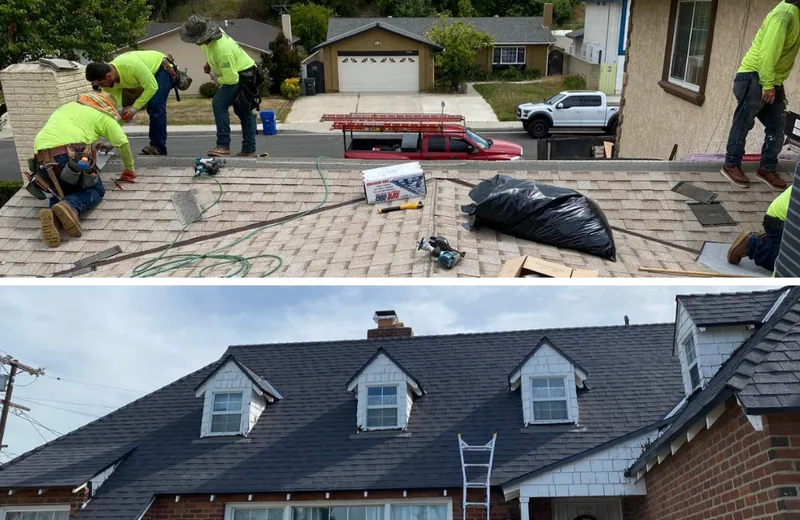
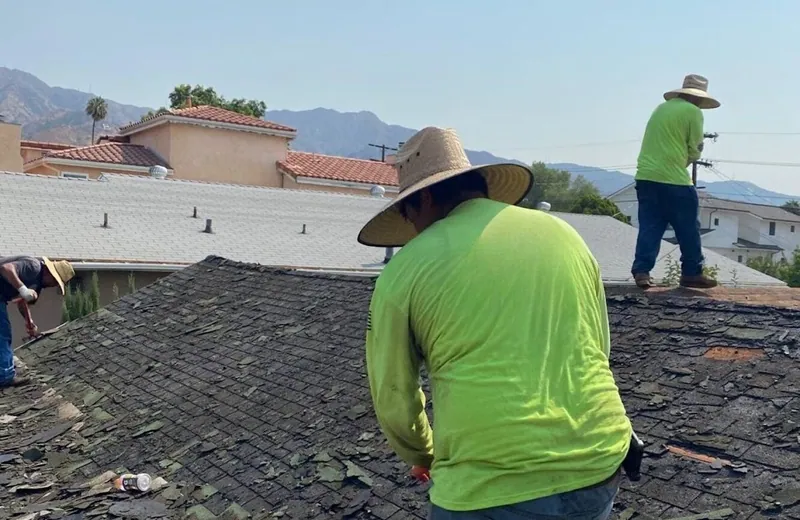
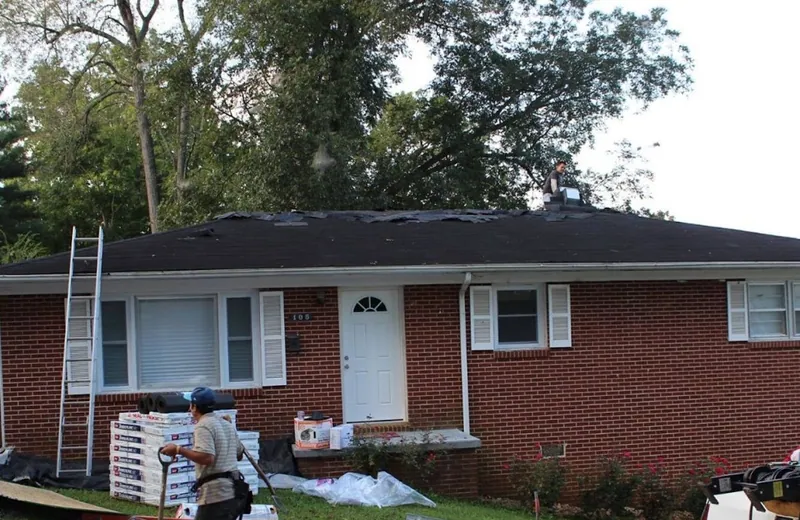
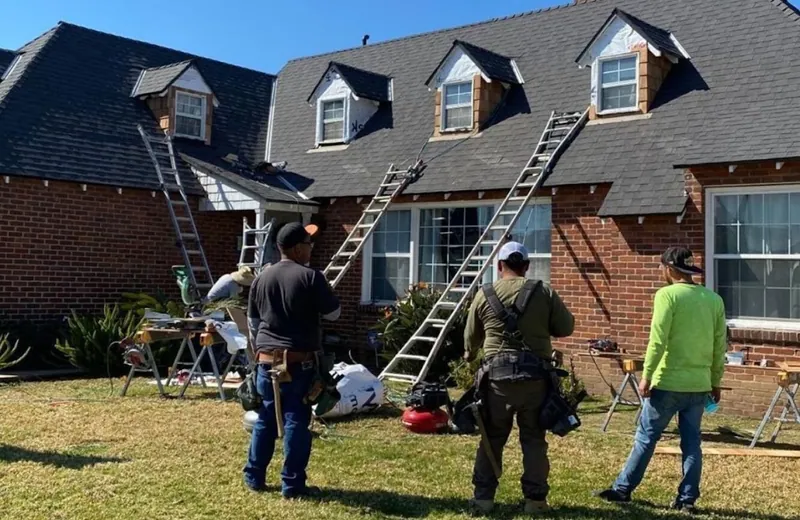
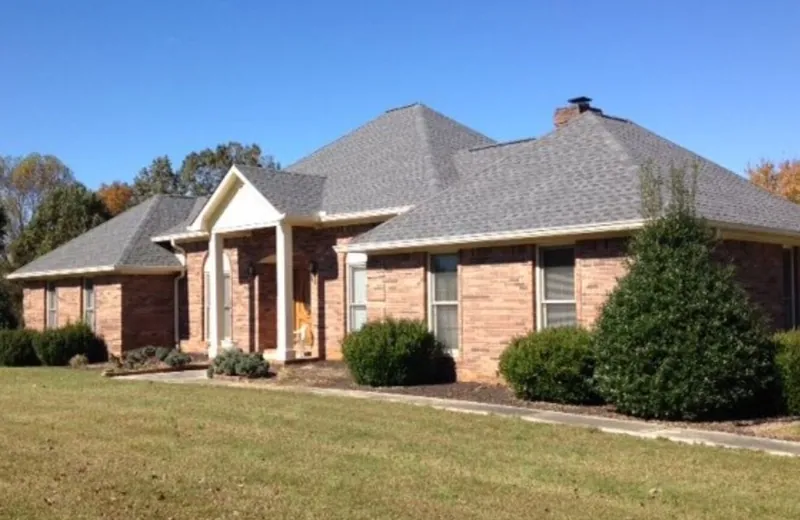
Recent roofing Projects in Venice, CA
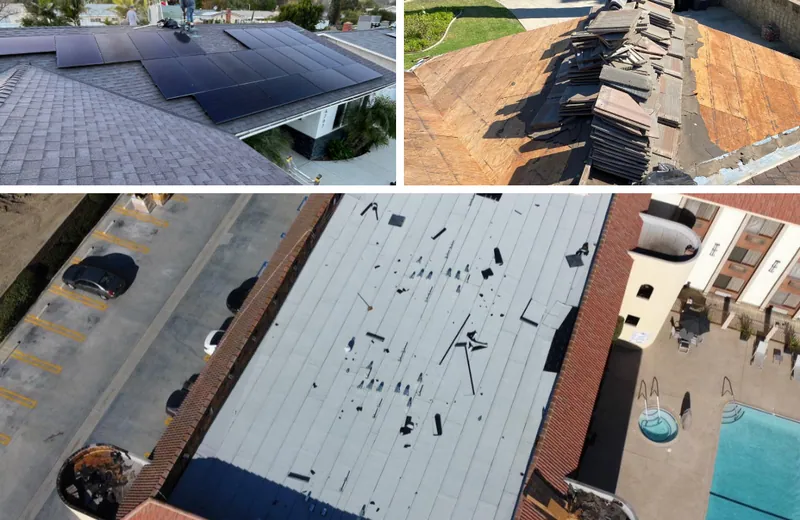
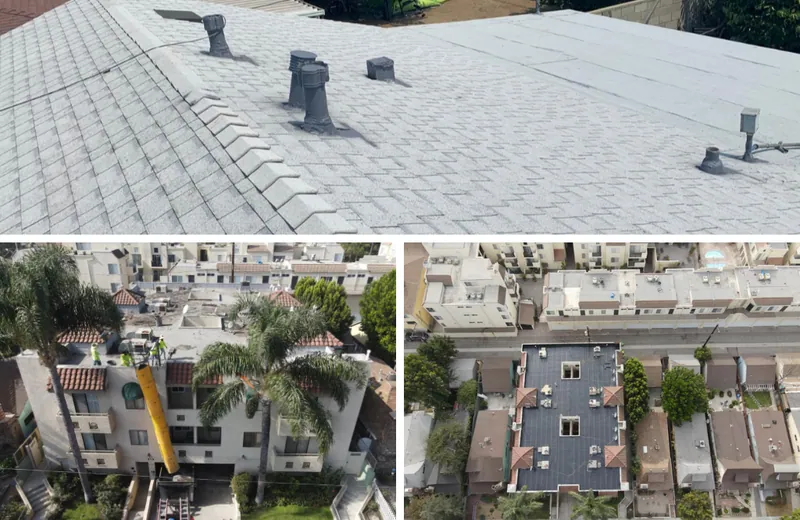
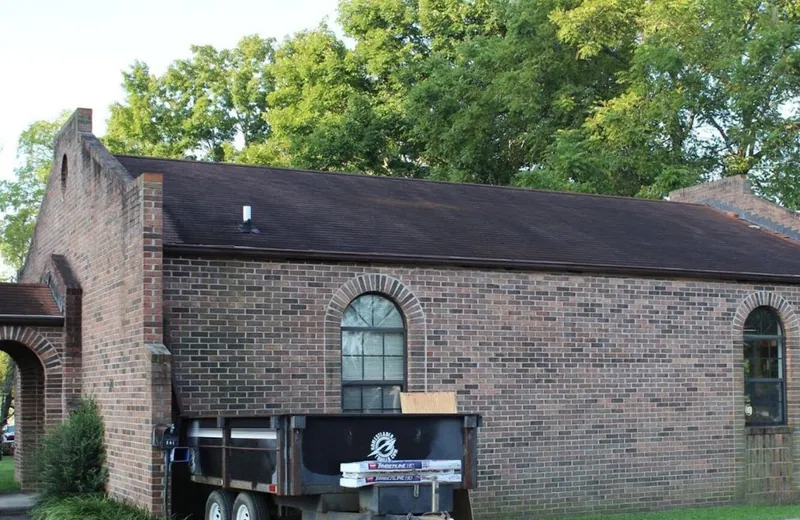
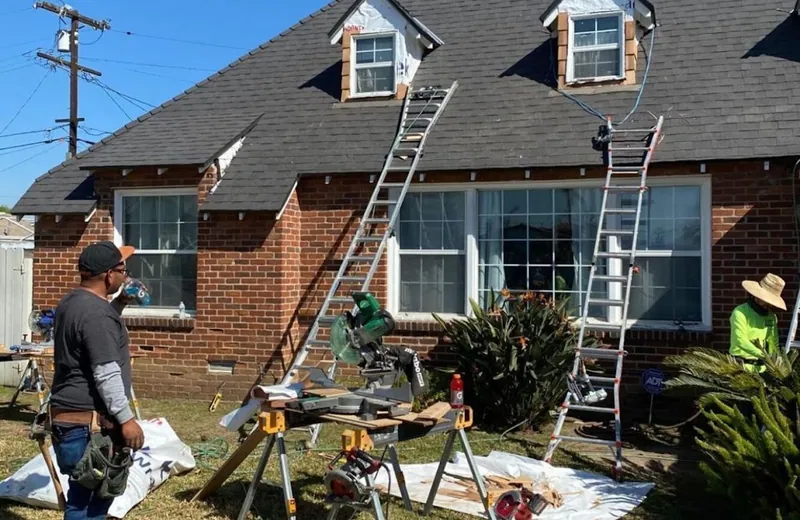
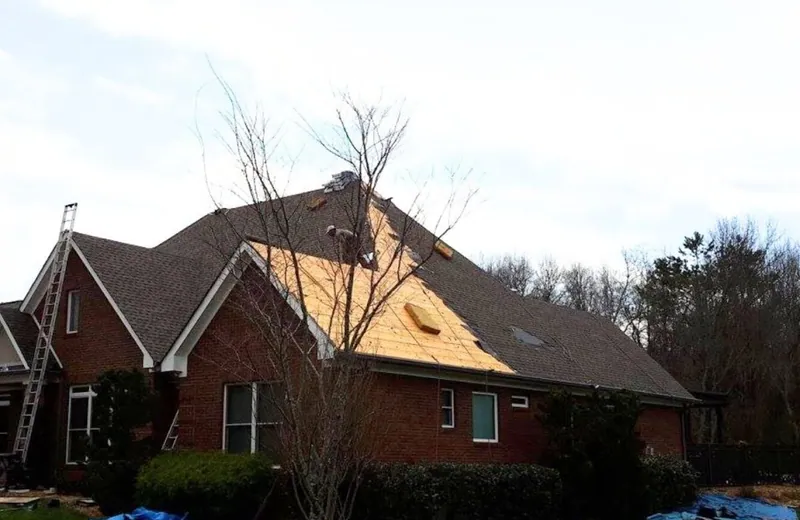
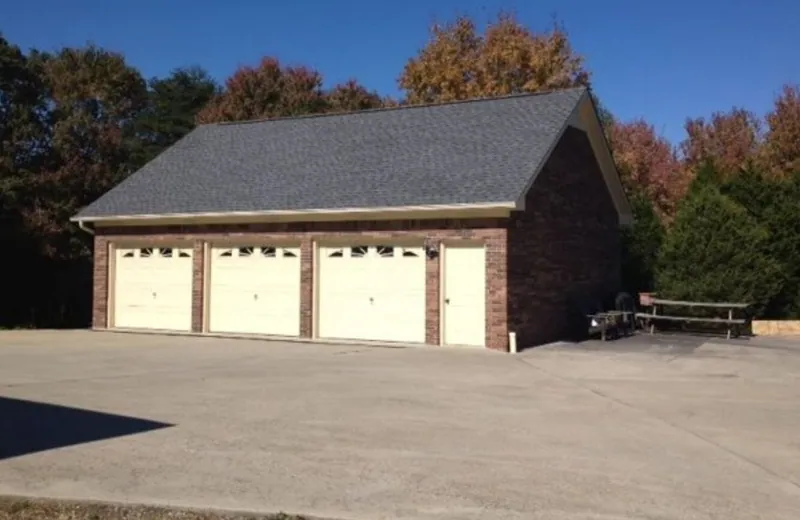
Roofing FAQs for Venice and Westside Property Owners
How much does a new roof cost in Venice, CA?
Most full roof replacements on Venice-area single-family homes fall between about $15,000 and $50,000. Shingle roofs sit toward the lower end, and clay tile and slate toward the higher end. Small flat-roof apartment buildings often run $13,000 to $26,000, and simple leak repairs typically cost $450 to $2,500. Prices here run above national averages because of LA labor costs, required tear-offs on older homes, coastal-grade metals, permit fees and access challenges on walk streets and in the Canals. We provide line-item written estimates so you can see exactly where the money goes, and financing is available.
Do I need a permit to replace my roof in Venice?
Yes, in most cases. Venice is part of the City of Los Angeles, so reroofing generally requires an LADBS permit and inspection, and a full tear-off with new sheathing is inspected. The new roof must meet Title 24 cool-roof standards where they apply. If the project adds or changes a roof deck, roof access structure, parapets, height or solar, Coastal Zone review under the Venice Coastal Zone Specific Plan may apply. Other cities in our area, including Santa Monica, Culver City, Beverly Hills and the South Bay cities, have their own building departments, and Marina del Rey falls under LA County.
How long does a roof replacement take?
The physical work on most single-family homes takes one to three days. Larger homes, clay tile re-lays and commercial flat roofs can take a week or more. Permitting usually adds a few days to a few weeks depending on the jurisdiction, and projects needing Coastal Zone or HOA approval can take longer. Weather matters too. During the November–March rainy season, we schedule around forecasts and never leave a roof exposed overnight when rain is expected. Access-restricted sites on the walk streets or in the Canals may add time for hand-carrying materials and debris.
When should I repair my roof instead of replacing it?
Repair makes sense when damage is localized and the roof still has useful life: a few cracked tiles, one failed flashing detail, a leaking skylight or a small area of storm damage. Replacement is usually the better value when a shingle roof is past 20–25 years, a flat roof has widespread blistering and ponding, tile underlayment has failed across the roof, or there are already two layers. Repeated leaks in different spots are a strong sign of system-wide failure. We'll give you an honest comparison after the inspection.
When is the best time to get my roof inspected?
Late summer through October is ideal, before the November–March rainy season. Because Venice can go months without meaningful rain, flashing failures, cracked sealants and clogged scuppers often go unnoticed until the first atmospheric-river storm. An early fall inspection gives you time to fix problems before contractors get backed up with emergency calls. You should also schedule an inspection after any major windstorm or earthquake, before buying or selling a home, when your insurer requests one, and anytime you notice ceiling stains or a musty attic smell.
How can I make my roof last longer near the ocean?
Coastal roofs benefit from corrosion-resistant components and regular attention. Ask for stainless or coated fasteners and aluminum or coated flashing during any reroof. Keep gutters, drains and scuppers clear of sand and leaves, especially before winter. Have flashing and sealants checked every year or two, since salt and UV break them down faster here. Make sure the attic is properly ventilated so marine-layer moisture doesn't rot the sheathing. On flat roofs, a reflective coating at the right time can add years of life and lower cooling costs.
What should I do if my roof starts leaking during a storm?
First, protect what's inside. Move valuables, put buckets under the drips, and if water is near light fixtures or outlets, turn off power to that area. Don't climb onto a wet roof. Call us for emergency roofing service. We can tarp the damaged area to stop more water from getting in, then document the damage with photos for your insurance claim. Once the weather clears, we trace the leak to its actual source, which is often a flashing or underlayment failure, and make a permanent repair.
Can I keep my wood shake roof or add another layer over my old roof?
Often not. Wood shake is restricted or banned in LA's Very High Fire Hazard Severity Zones, which require Class A roof assemblies and ember-resistant vents, and many insurers are pushing hillside homeowners in Glendale, Burbank and the Beverly Hills canyons to replace shakes. As for overlays, California limits reroofing to two layers total, and LADBS often requires a full tear-off in practice. Many older Venice bungalows already have two or more layers, so a tear-off is usually required, and it lets us inspect and repair the sheathing underneath.
Serving Venice, CA & Nearby
Get Your Venice Roof Ready Before the Next Storm
Don't wait for an atmospheric river to show you where your roof is failing. Schedule an inspection now and get a clear, honest plan from a local roofer who's worked here since 2005.
- ✓Thorough roof and attic inspection with photo documentation
- ✓Line-item written estimate with repair and replacement options
- ✓Permit, Title 24 and Coastal Zone requirements handled correctly
- ✓Coastal-grade materials matched to your roof system
- ✓Clean, protected job sites planned around Venice access limits
- ✓Bonded and insured crews
- ✓Financing available for larger projects
⚡ Active leak or storm damage? Call now for emergency roofing and roof tarping to protect your home until permanent repairs can be made.
Bonded • Insured